Installing a hot water system is a big investment, so it’s worth taking the time to get it right.
The average cost to install a hot water system is between $1000 and $7,000. Electric systems are the most popular for Australian homes, costing around $450 to $1,800 to purchase and install.
Of course these prices vary depending on the system type, brand, and if the new system is different to the existing unit. While it is cheapest to install a like-for-like replacement, switching to a different system may be the better option for some properties. Keep in mind that this can add $1,500 to $3,000 to the total price.
Budget-conscious home owners should also consider long-term running costs as well as the upfront purchase price.
It’s important to shop around and get multiple quotes from reputable plumbers to compare prices and services so you can get the best value.
Which Hot Water System Do I Need?
Selecting the appropriate hot water system depends on several key factors, including household size, energy preferences, and budget.
Size
To meet household demands for hot water without wasting energy, it’s important to get the right sized unit.
Undersized systems lead to hot water shortages during peak usage times. Oversized systems waste energy heating unused water.
Household Size | Storage Litre Capacity | Continuous Flow Rate |
Small: 1-2 people | 25-50 litres | 10-16 litres per minute |
Medium: 3-4 people | 125-160 litres | 16-20 litres per minute |
Large: 5+ people | 160+ litres | 20+ litres per minute |
Many Australian homes choose slightly larger systems than strictly needed to account for guests or future family growth. Plumbers can help determine the ideal size based on current usage patterns.
Hot Water System Type
There are two main types of tanks to choose from:
- Continuous flow (tankless) that heats water when the tap is turned on.
- Storage systems that store hot water until it’s needed.
These can each be purchased in several system types that come with their own benefits and costs:
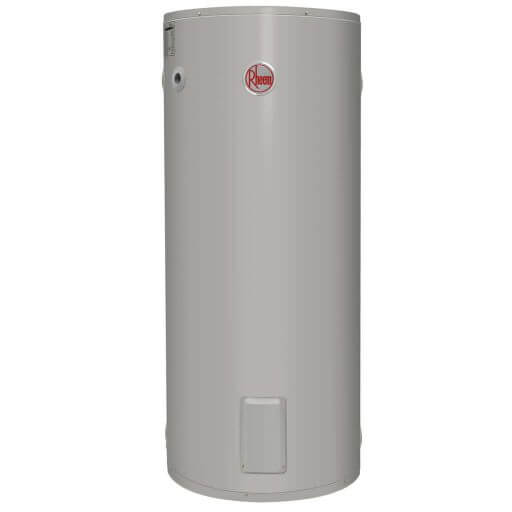
Electric hot water systems cost between $400-$1,800 to purchase and install, making them the most affordable option upfront. They’re simple to install but often more expensive to run long-term.
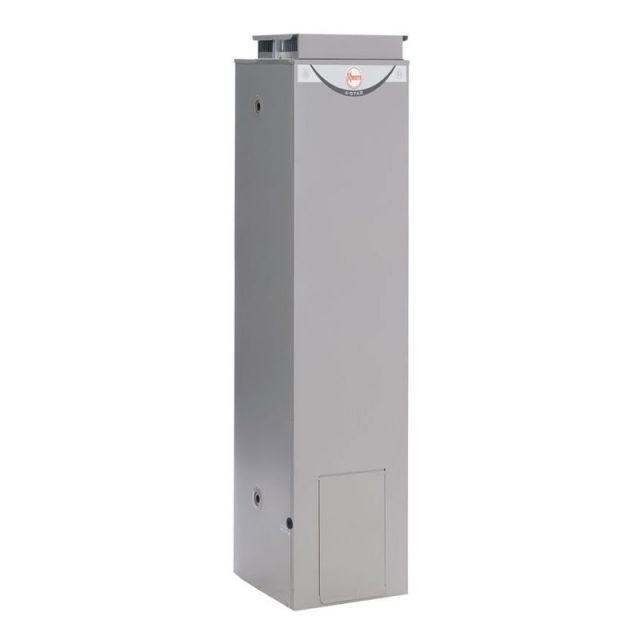
Gas hot water systems typically range from $900-$2,500 installed. They heat water faster than electric models and can be more economical to operate, especially with natural gas connections rather than LPG.
Solar hot water systems have higher installation costs ($3,000-$7,000) but significantly lower running costs. They use roof-mounted solar panels connected to a storage tank and usually include an electric or gas booster for cloudy days.
Heat pump systems ($2,500-$4,000) extract warmth from the surrounding air to heat water. They use approximately 30% of the electricity of traditional electric systems, making them energy-efficient alternatives with moderate upfront costs.
Brand
Price differences between comparable models from different brands can be substantial – sometimes $200-$500 for similar specifications. Some brands specialise in particular types, like Solahart with solar systems or Stiebel Eltron with heat pumps.
Most major brands offer all system types – electric, gas, solar and heat pump models. Warranty periods vary significantly between brands and models, typically ranging from 5-12 years for tanks and 1-3 years for parts and labour.
The brand of hot water system affects both price and reliability:
- Premium brands like Rheem, Rinnai, and Bosch typically cost more upfront but often offer longer warranties and better durability.
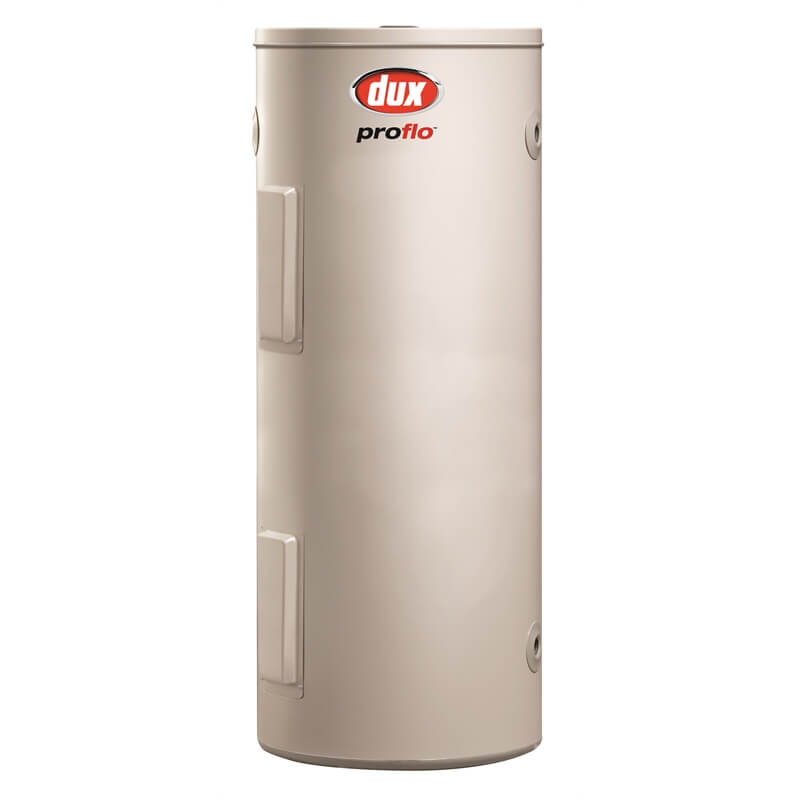
- Mid-range options such as Dux and Aquamax provide good value with decent warranty periods.
- Budget brands might save money initially, but could result in higher repair costs or shorter lifespans.
Australian conditions require systems that can withstand varied climate zones. Local brands often design their products specifically for Australian households and water quality.
Delivery Cost And Accessibility
Delivery costs vary based on location and the supplier’s policies. Not all systems are available when a purchase is made. A standard delivery takes between 3 to 10 business days. Express options are available but will cost more.
Some retailers offer free delivery for purchases over a certain amount, whereas remote or rural areas often face higher delivery charges due to travel distance. Urban customers typically pay less, with some companies charging as little as $50 for metropolitan deliveries.
Accessibility at the installation site also affects costs, especially for large systems like storage tanks. Difficult access points like narrow driveways or staircases, tight corners, or limited workspace can add labour charges as installation teams may need extra hands or special equipment for these situations.
Hot Water Installation
The total cost to install a hot water system ranges from $1,000 to $7,000, depending on the type and size of the system chosen.
The installation process typically involves both plumbing and possibly electrical work. A licensed plumber is required for all hot water installations, with labour costs making up a significant portion of the total expense.
For a straightforward replacement of the same type and size of hot water system, expect to pay between $300-$750 for labour alone. More complex installations that require repositioning or additional fittings will cost more.
Electric storage systems range from 25L to 400L and cost between $450-$2545 plus installation.
Solar hot water systems generally cost between $3,000-$7,000 installed. While they have higher upfront costs, they’re much cheaper to run over time.
Gas hot water systems often fall somewhere in the middle price range. Their installation may require both a plumber and a gas fitter.
Heat pump systems are becoming more popular as an energy-efficient option. Their installation costs are higher, but running costs are lower than traditional electric systems.
Additional costs may include new valves, electrical connection work, and materials. If an electrician is needed alongside a plumber, this will add to the labour costs.
Disposal Of Old System
Australian regulations require the proper disposal of old hot water systems. This environmental consideration is part of the total project expense but helps protect local ecosystems.
Most professional plumbers include removal of the old unit as part of their installation service, others may charge a fee for transport and safe removal, typically between $50-$150 (depending on the system size and disposal requirements). Larger tanks or systems with special materials might cost more to dispose of properly.
It’s worth asking if disposal is included in any quotes received.
If the property owner wants to handle disposal themselves, they should check local regulations. Many regions have specific requirements for disposing of appliances containing certain materials. Some local councils offer recycling programs for old hot water units. These programs help reduce landfill waste and can sometimes be more affordable than standard disposal.
Remember that improper disposal can result in fines from local authorities. Working with licensed professionals helps avoid these issues.
Government Rebates
Australian governments offer substantial rebates to help homeowners afford hot water system installations. These financial incentives can reduce upfront costs while promoting energy efficiency.
The NSW Household Energy Saving Upgrades program provides typical incentives of $405 to $675 for switching from electric water heaters to heat pump models. These government rebates make energy-efficient options more affordable. Those replacing gas systems can get between $190 and $310.
For concession card holders, additional assistance is available. The Home Energy Support Program offers up to $5000 worth of rebates to help with the set-up costs of energy-efficient installations.
The Heat Pump Hot Water Rebate NSW can save homeowners thousands when upgrading from electric or gas water heaters to approved energy-efficient products.
To claim these rebates, homeowners need to purchase systems from approved suppliers and may need to submit proof of purchase and installation. A qualified Central Coast plumber will be able to answer any questions about current hot water systems, rebates and costs.
These government incentives aim to reduce household energy costs while supporting Australia’s transition to renewable energy sources.
Hot water system running costs (update) – see table and source
It’s important to consider the ongoing running costs as these will have a big impact on household budgets over the years.
The table below shows average running estimates, comparing indoor gas storage and electric water heater costs and emissions:
Heater Type | Yearly Running Costs | Average yearly CO2 emissions |
Natural Gas | $1,434.88 | 1.27 Tonnes |
Electric Water Heater | $1,536.76 | 4.03 Tonnes |
Source data generated from the Rheem online calculator.
Cheaper systems may save you money upfront, but will cost you more in the long run through higher energy consumption and greenhouse gas emissions. Copper systems last longer than cheaper alternatives, so they are worth considering even though they are more expensive upfront.
Making an informed decision is the best way to ensure the right match for each property.